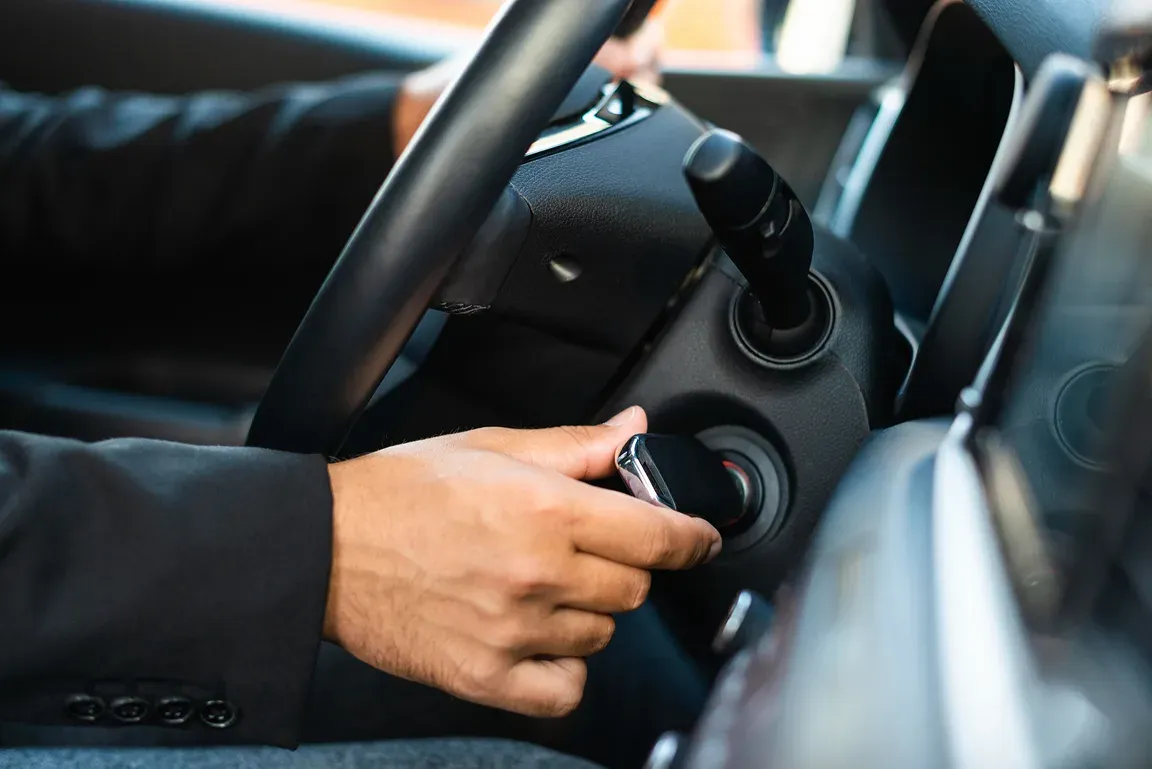
Key Fob Programming Explained: Everything You Need to Know

Automotive Locksmith Blog

Key Fob Programming Explained: Everything You Need to Know

A clear guide to smart keys, transponder pairing, programming methods, and the fastest way to get back on the road without overspending.

Call (463) 316-6313

Why this topic matters

Losing access to your car is stressful enough. What makes modern lockouts more confusing is that the problem is often not the metal key itself. It may be a dead fob battery, a failed transponder chip, a replacement remote that was never paired correctly, or a vehicle security module that now refuses to recognize a new key.

This guide covers:

- what key fob programming actually does - the most common ways locksmiths and dealerships pair keys to a vehicle - when programming is simple and when it becomes advanced diagnostic work - typical cost expectations and the trade-offs between mobile locksmiths and dealerships - smart steps to take before you buy a cheap replacement fob online

If you understand those basics first, you are far less likely to overpay or order the wrong hardware.
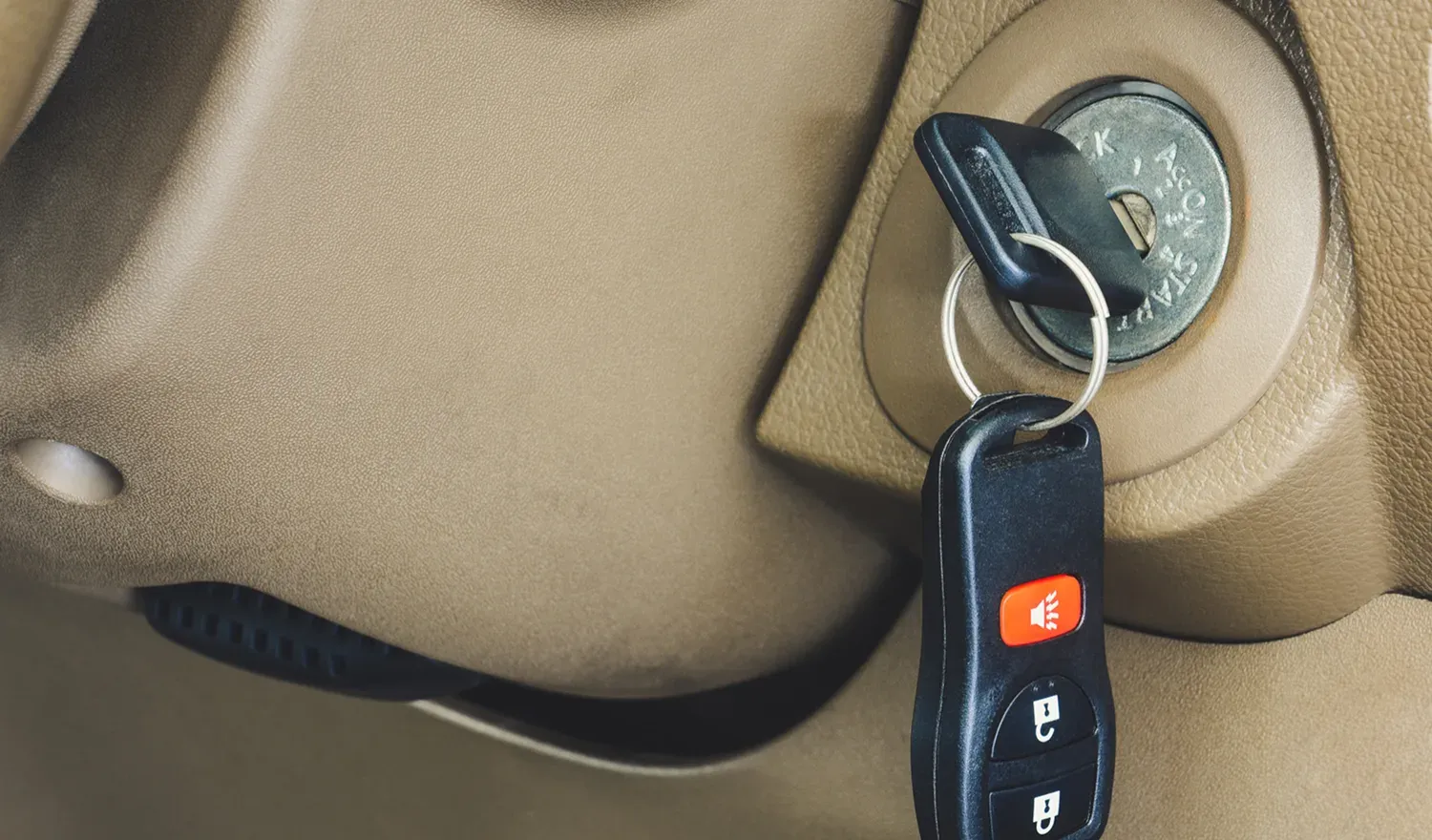
What key fob programming actually does

Programming creates the secure digital relationship between the key, the immobilizer, and the vehicle computer.
What key fob programming actually does

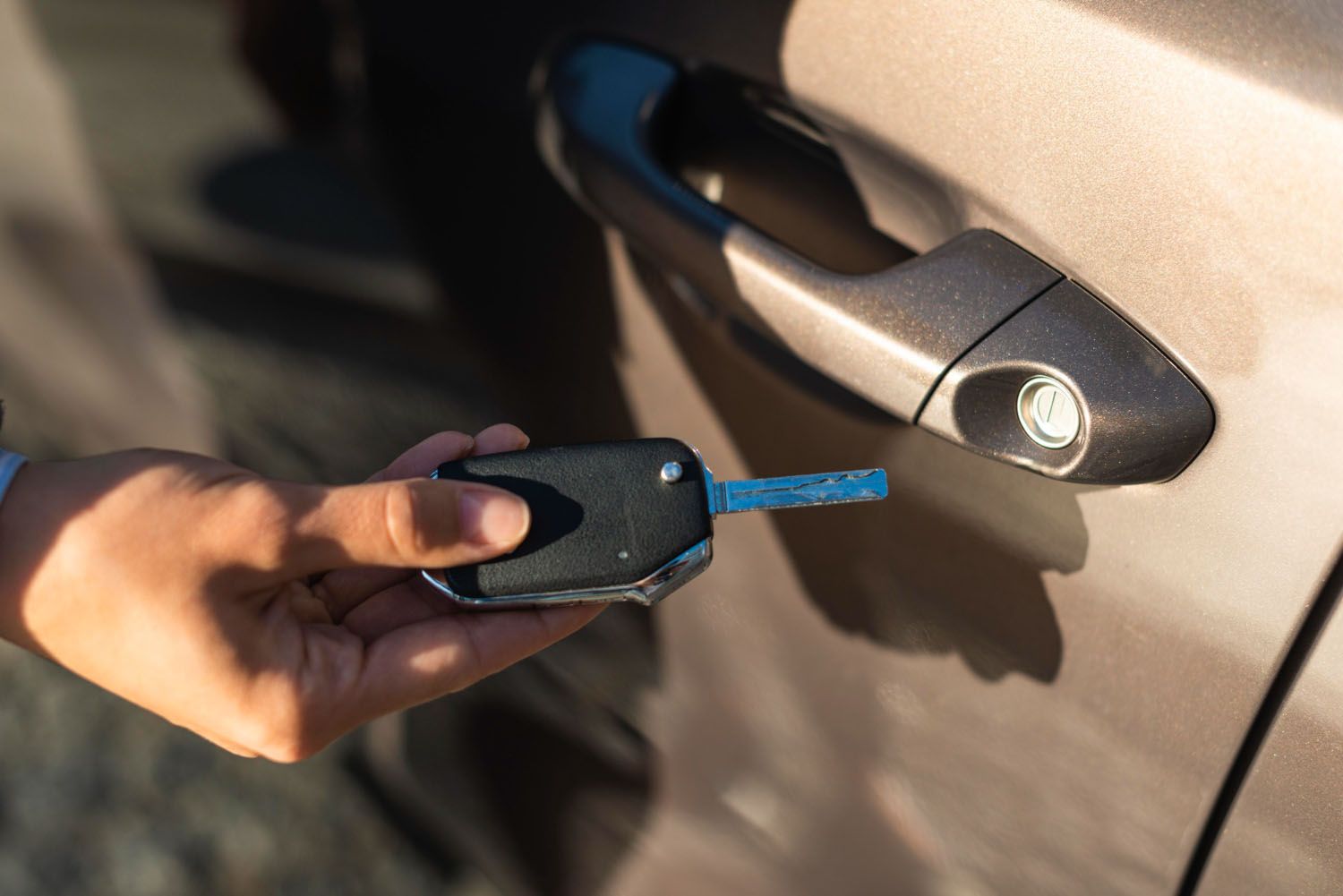
Your vehicle does more than read a piece of cut metal. In most late-model cars, the remote or key contains a chip with a unique ID. During programming, a technician teaches the vehicle to trust that ID so the car can allow remote functions, ignition authorization, or both.

In practical terms, that process may involve:

  • registering a new smart key or transponder to the immobilizer
  • erasing lost or stolen keys from the approved list
  • synchronizing lock, trunk, panic, and remote-start functions
  • verifying that the emergency blade and the electronic remote work together

If the pairing step never happens, the replacement fob may look correct and even fit the car, but the vehicle still treats it like a stranger. That is why a bargain remote bought online can turn into a frustrating dead end when the programming step is skipped.

Common programming methods

Different vehicles use different workflows. A professional locksmith chooses the method based on the year, make, model, immobilizer generation, and whether you still have a working key.

Method Best for What happens Good to know
OBD-II programming Most late-model vehicles A diagnostic tool connects to the vehicle and adds or syncs the key electronically. This is the most common mobile locksmith workflow.
Onboard add-a-key sequence Some domestic and Asian models A sequence of ignition cycles and button presses pairs the remote. Often requires at least one working key already in your possession.
EEPROM or bench programming All-keys-lost, locked modules, or complex security systems The technician accesses a module directly and writes key data at the chip level. More advanced labor, but still often faster than towing to a dealer.

The important takeaway is simple: programming is not one universal button press. The right method depends on the security architecture inside your specific car.

Automotive locksmith preparing replacement smart key equipment
A mobile locksmith can usually cut, program, and test a new fob on-site without towing the vehicle.

Locksmith vs dealership: the real trade-offs

Both options can work. The difference usually comes down to speed, mobility, and how much friction you can tolerate.
Locksmith vs dealership: the real trade-offs

A dealership can be the right answer for certain warranty situations or highly restricted OEM systems. But for most everyday lockouts and replacement fob requests, a mobile locksmith is the more practical choice.

Why many drivers choose a locksmith

  • service comes to your driveway, parking lot, office, or roadside location
  • no towing bill when the vehicle will not start
  • faster turnaround for urgent situations
  • competitive pricing for both the hardware and the programming labor
  • one technician can often diagnose the issue, cut the emergency blade, pair the fob, and test it in one visit

When a dealership still makes sense

  • the vehicle is covered by a program that includes key replacement
  • the brand uses a locked-down security process that requires dealer authorization
  • you are already at the dealership for unrelated module or recall work

For Indianapolis drivers, convenience matters. If the car is immobilized in a downtown garage or you are stranded at home late at night, waiting days for an appointment rarely feels like a good plan.

Before you buy a replacement fob online

Ordering your own hardware is tempting, especially when online marketplaces show prices that seem too good to ignore. Sometimes it works out. Sometimes it creates a second problem.

Use this quick checklist first:

  • Confirm the FCC ID, part number, and frequency for your exact vehicle.
  • Verify whether the listing includes an emergency insert key or only the remote shell.
  • Ask whether the vehicle accepts aftermarket remotes or is known to reject low-quality clones.
  • Find out if your car requires an existing working key to add another one.
  • Make sure a local locksmith is willing to program customer-supplied hardware before you order it.

Red flags that mean you should call a professional right away

  • you have lost every key to the vehicle
  • the ignition or push-button start says No Key Detected
  • the replacement fob unlocks doors but will not start the car
  • the original key stopped working after water damage, battery leakage, or a failed repair attempt
  • you suspect a security module issue, not just a dead battery

A professional mobile locksmith can usually tell you in minutes whether the issue is a battery, a bad remote, a chip mismatch, or a deeper immobilizer problem.

Bottom line

Programming should feel like a straightforward service decision, not a mystery charge.

Car key programming does not have to be expensive or confusing. Once you understand how the vehicle validates a key, the rest becomes much easier to evaluate: the right hardware, the right programming method, and the right provider.

For most drivers, the best outcome is a technician who can come to the vehicle, verify the exact system, program a working key, and test every function before leaving. That is where a skilled automotive locksmith usually delivers the best mix of speed, value, and peace of mind.

More Locksmith Advice

Explore more practical guides for car lockouts, replacement keys, and everyday security decisions.
View All Articles