To create a replacement key without the original, a locksmith will typically ask for the following:
- Vehicle make
- Model
- Year
- VIN (Vehicle Identification Number)
- Location of the vehicle
- Type of key, if known
- Proof of ownership
- Valid ID
Proof of ownership is required for safety and legal reasons. No legitimate locksmith will cut or program a key without verifying that you are the lawful owner or authorized driver of the vehicle.
Types of Car Keys That Can Be Replaced Without the Original
| Key Type |
Can It Be Replaced Without the Original? |
What May Be Required |
Notes |
| Traditional metal key |
Yes, usually |
Key code or lock decoding; mechanical cutting |
Simplest and least expensive option |
| Transponder key |
Yes, in most cases |
Cutting plus transponder programming |
The chip must be programmed to the vehicle |
| Remote head key |
Yes, in most cases |
Cutting, transponder programming, remote pairing |
Combines a key and remote in one unit |
| Key fob |
Yes, often |
Fob programming and possibly a hidden emergency blade |
Some fobs include a physical key inside |
| Smart key / proximity key |
Yes, for many models |
Advanced programming; sometimes dealer involvement |
Higher cost and complexity |
| Laser-cut / high-security key |
Sometimes |
Specialized cutting equipment; dealer may be required |
Common on luxury and European vehicles |
Cutting vs Programming: What's the Difference?

Many drivers assume that cutting a key is all that is needed to get back on the road. In reality, modern car keys involve two completely separate services that serve two very different purposes. Understanding the difference can help you ask the right questions, avoid unnecessary delays, and know what to expect when you order a replacement key.
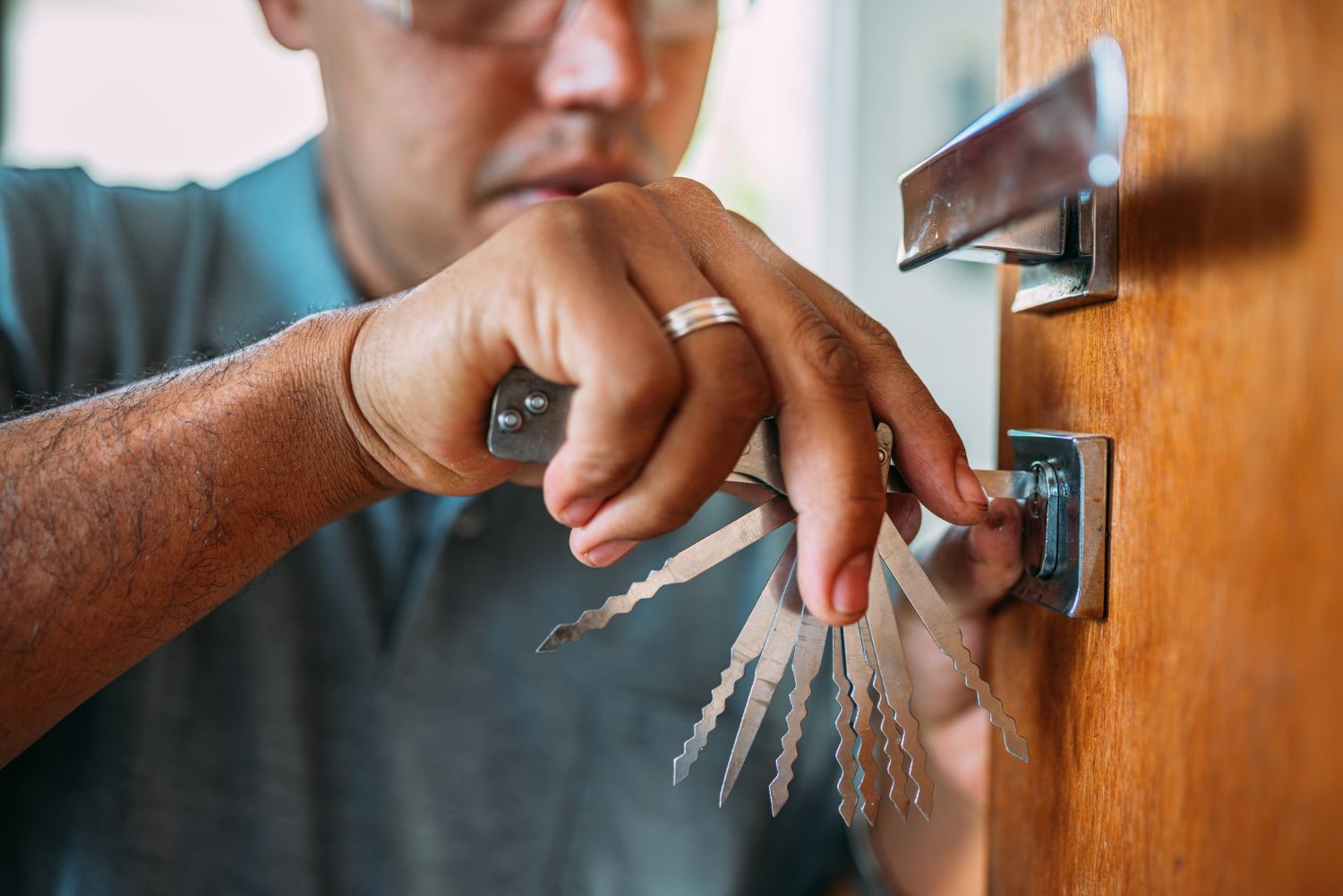
Cutting is the physical process of shaping the metal blade so it fits the lock and turns the ignition. This is a mechanical procedure that requires precision equipment and the correct key code or lock specifications for your vehicle. If the blade is cut incorrectly, the key will not slide into the lock or turn the cylinder, even if the electronics are perfectly programmed.
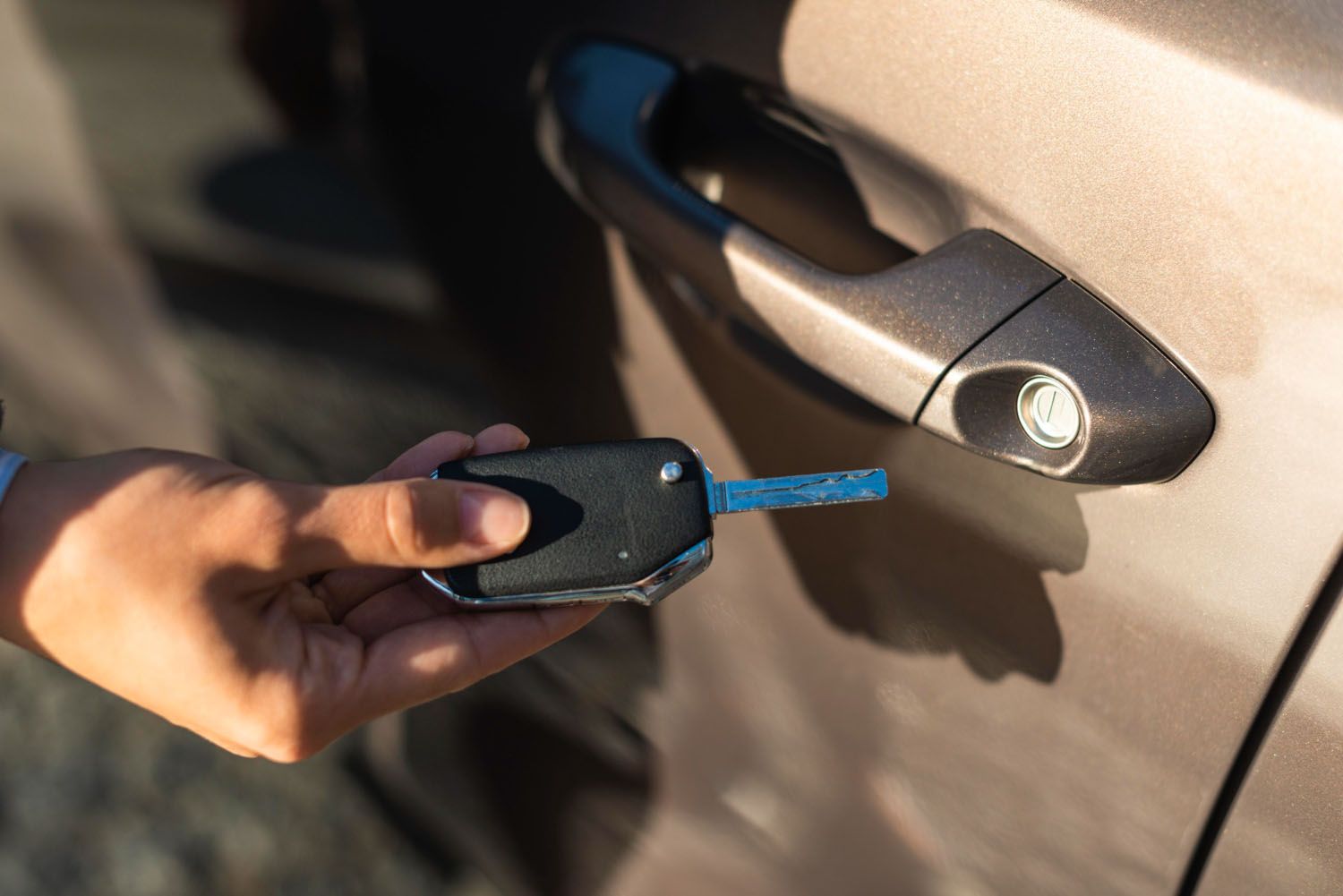
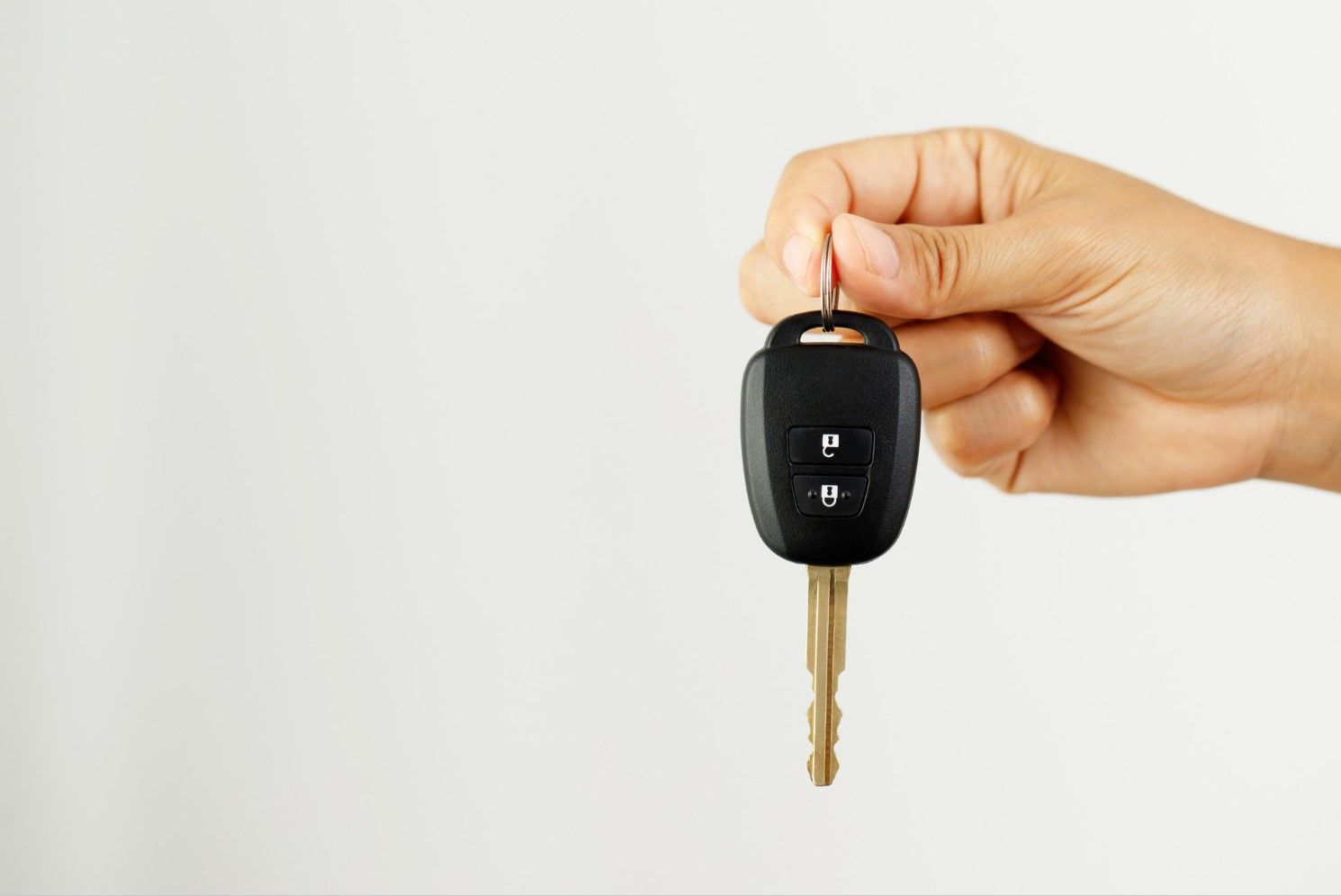
Programming is the electronic process of linking the transponder chip, remote, or smart key to your vehicle's computer. This step tells the car that the key is authorized to start the engine and, in many cases, to unlock the doors. Without programming, a perfectly cut key may still be rejected by the immobilizer system.
A key can be perfectly cut but still fail to start the car if it is not programmed. Conversely, a programmed key will not work if the blade does not match the lock. That is why a professional automotive locksmith performs both steps as a single service whenever possible, ensuring the key works for both entry and ignition.
For older vehicles with traditional metal keys, cutting alone may be enough. For transponder keys, remote head keys, key fobs, and smart keys, programming is almost always required. The exact combination depends on your vehicle's make, model, year, and key type.
| Service |
What It Does |
Needed For |
Example |
| Key cutting |
Shapes the metal blade to match the lock |
All keys with a physical blade |
Traditional, transponder, remote head |
| Transponder programming |
Links the chip to the immobilizer |
Starting the engine |
Most cars built after the late 1990s |
| Remote/fob programming |
Syncs lock, unlock, and trunk buttons |
Remote functions |
Key fobs and remote head keys |
| Smart key programming |
Enables push-to-start and proximity functions |
Keyless entry and ignition |
Modern vehicles with push-button start |
Can a Locksmith Make a Key from the VIN?
In some cases, vehicle information such as the VIN can help a locksmith identify the correct key blank and cutting code. The VIN contains details about the vehicle's make, model, year, and production specifications, which can be cross-referenced with manufacturer databases or locksmith software to determine what type of key the car uses. For many common vehicles, this information is enough to begin the process of cutting and programming a replacement key.
However, the VIN alone is not always enough. Manufacturer rules, vehicle year, and key type all affect what is possible. Some automakers restrict access to key codes, especially for newer or high-security models, and require dealership involvement. In other cases, the locksmith may need to decode the lock directly from the vehicle rather than relying on the VIN.
A locksmith will still require proof of ownership before proceeding, regardless of whether the VIN is available. This is a standard and necessary step to prevent unauthorized key duplication. For some vehicles, additional steps or dealership involvement may be necessary. This is not a limitation of the locksmith, but a security feature built into certain makes and models to protect vehicle owners from theft.
What If You Lost All Car Keys?

Losing all car keys feels like a disaster, but it does not always mean you need to tow your car to a dealership. A mobile car locksmith can often come to your vehicle, create a new key on-site, and program it to your car.
This is especially valuable if your car is parked at home, at work, or in a public lot. Instead of paying for a tow and waiting days for a dealership appointment, you can often have a working key within hours.
For some vehicle models, availability of key blanks or programming tools may affect how quickly the job can be completed. A locksmith will let you know what to expect based on your specific car.
Locksmith vs Dealership: Which Is Better Without the Original Key?
| Factor |
Automotive Locksmith |
Dealership |
| Convenience |
Mobile service; comes to your vehicle |
You must bring the vehicle to them |
| Towing required |
Usually not |
Often yes, if all keys are lost |
| Key cutting |
Yes, on-site for most vehicles |
Yes |
| Key programming |
Yes, for many makes and models |
Yes, guaranteed OEM compatibility |
| Speed |
Often same-day or within hours |
Often several days |
| Vehicle coverage |
Most common makes and models |
All models, including newest and rarest |
| Cost level |
Generally lower |
Generally higher |
| Best for |
Most lost key situations |
High-security or very new vehicles |
A locksmith is often the more convenient and affordable choice. A dealership may be necessary for certain OEM-specific cases, especially with brand-new or high-security vehicles.
How Long Does It Take to Replace a Car Key Without the Original?
Timing depends on several factors, including the vehicle, key type, availability of the key blank, and programming requirements. Traditional keys may be faster to replace because they only require mechanical cutting and no electronic programming. Smart keys and transponder keys may take longer because they need to be cut, programmed, and synchronized with the vehicle's computer system.
Availability can also vary by make and model. Some key blanks are common and kept in stock by most locksmiths, while others must be ordered. Luxury vehicles, European imports, and very new models often have less readily available key blanks, which can extend the timeline. In some cases, the locksmith may need to verify the vehicle's key code through a manufacturer database, which adds additional time.
The location of the vehicle can also play a role. If the car is parked in a secure garage, a tight parking space, or an area with limited access, the technician may need extra time to work safely. Weather conditions can also affect the process, especially for roadside service.
A locksmith can give you a realistic estimate once they know your vehicle details. It is always best to ask before committing to service so you know what to expect and can plan accordingly.
How Much Does It Cost to Make a Car Key Without the Original?

Cost varies widely based on several factors. There is no single price that applies to all vehicles.
| Cost Factor |
Why It Matters |
| Key type |
Smart keys and fobs cost more than traditional keys |
| Programming requirement |
Transponder and smart key programming adds labor |
| Vehicle model |
Luxury and high-security vehicles often cost more |
| Emergency service |
After-hours or urgent calls may include additional fees |
| Mobile service distance |
Travel distance can affect the final price |
| Number of keys |
Making two keys is often more economical than two separate visits |
For an accurate quote, contact us with your vehicle information.
Can You Do It Yourself?
For some older vehicles, simple key duplication may be possible if you have the key code. However, most drivers cannot safely cut or program a modern car key without professional tools and authorization.
Buying a blank key online does not guarantee it will work. Incorrect programming attempts can waste time and money, and in some cases may cause issues with the vehicle's immobilizer system.
Modern transponder and smart keys almost always require specialized equipment. This is not a task for DIY attempts.
Lost your only car key in Indianapolis?
Tip Top Locksmith can help with mobile car key replacement, key cutting, and programming for many vehicle types.
Call Emergency Locksmith