Ignition Repair vs Ignition Replacement: Quick Comparison
| Factor |
Ignition Repair |
Ignition Replacement |
| Best for |
Minor wear, dirt, occasional sticking, key wear |
Severe damage, broken keys, failed cylinder, tampering |
| Typical symptoms |
Hard to turn, sticks sometimes, works at an angle |
Won't turn at all, visible damage, key broken inside |
| Time required |
30 to 60 minutes |
1 to 2 hours or more |
| Cost level |
Lower |
Higher |
| Vehicle compatibility |
Most vehicles with mechanical cylinders |
May require programming for newer models |
| Long-term reliability |
Good for minor, intermittent issues |
Best for severe or recurring problems |
| When to choose it |
Problem is occasional or caused by dirt/key wear |
Cylinder is beyond repair, or problems keep returning |
Common Causes of Ignition Problems
Ignition issues can be frustrating and confusing, especially when you are not sure what is causing the problem. The truth is, there is rarely a single explanation. Over time, daily use takes a toll on your key, the cylinder, and the internal components that work together to start your vehicle. Understanding the root cause is the first step toward finding the right solution — whether that is a simple repair, a full replacement, or calling a professional for an accurate diagnosis. Some causes are purely mechanical, while others involve electronics or even external factors like weather conditions or attempted theft.
- Worn car key: Key teeth smooth out over time and fail to engage pins properly.
- Damaged ignition cylinder: Internal pins or springs break, preventing smooth operation.
- Debris inside ignition: Dust and dirt accumulate, creating friction.
- Steering wheel lock pressure: Locked steering wheel puts stress on the ignition mechanism.
- Transponder recognition failure: Vehicle immobilizer does not detect the key's chip.
- Electrical issue: Faulty ignition switch or wiring prevents starting.
- Attempted theft: Forced entry or tampering damages the cylinder.
- Old vehicle wear: Years of use wear down mechanical components.
Not every starting problem points to the ignition. A dead battery, a failing starter motor, a weak key fob battery, or an immobilizer glitch can produce similar symptoms. Without proper inspection, it is easy to assume the ignition is the culprit when the real issue lies elsewhere. A trained professional can quickly identify the exact cause and recommend the most effective and cost-efficient solution. Guessing or replacing parts without diagnosis often leads to wasted time and unnecessary expenses.
Can a Locksmith Fix an Ignition Problem?

Yes, a qualified automotive locksmith can handle most ignition-related issues. These professionals are trained to work with the mechanical components of your vehicle's ignition system, including the cylinder, key, and associated locking mechanisms. Many drivers do not realize that a locksmith can often resolve ignition problems faster and more affordably than a mechanic or dealership.
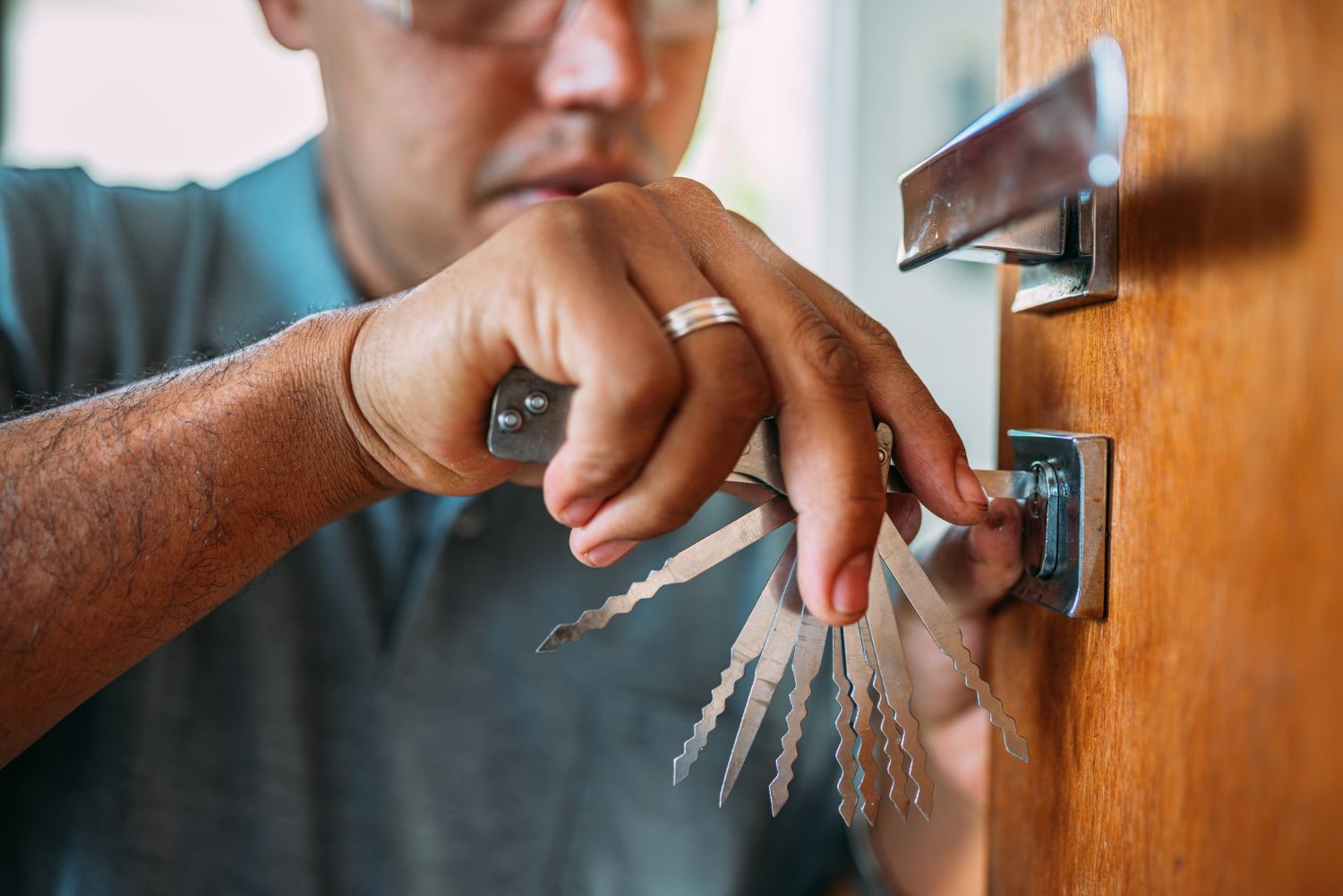
A typical locksmith visit for an ignition issue involves a thorough inspection of both the key and the ignition cylinder to determine the exact cause of the problem. If a key has broken off inside, the locksmith uses specialized extraction tools to remove the fragment without damaging the cylinder. In cases where dirt or debris is causing friction, the technician can clean and lubricate the internal components to restore smooth operation.
For more serious issues, a locksmith can repair or replace the ignition cylinder entirely, often completing the job on-site. Modern vehicles may also require key programming or transponder synchronization, which many locksmiths can handle for a wide range of makes and models. The mobile nature of their service means they come to your location, saving you the cost and hassle of towing.
While locksmiths are highly skilled at mechanical ignition repairs and key-related issues, they may not handle complex electrical problems or starter motor failures. If the issue involves faulty wiring, a dead starter, or a malfunctioning ignition switch, a mechanic may be more appropriate. A qualified locksmith will typically recognize these cases and advise you accordingly.
Locksmith vs Mechanic vs Dealership
Not every professional is equipped to handle every ignition problem. Knowing who to call can save you time, money, and unnecessary trips. The table below outlines which type of service provider is best suited for common ignition-related issues.
| Problem |
Locksmith |
Mechanic |
Dealership |
| Key stuck in ignition |
Best option — extraction and repair on the spot |
Limited capability |
Possible, but expensive and slow |
| Broken key in ignition |
Best option — specialized extraction tools |
Limited capability |
Possible, often requires full cylinder replacement |
| Ignition cylinder damage |
Can repair or replace the cylinder |
Can replace, but usually does not handle key programming |
Can replace with OEM parts, but costly and slow |
| Electrical starting issue |
Not equipped for this |
Best option — can diagnose wiring and starter issues |
Can handle, but more expensive than a mechanic |
| Immobilizer or key programming issue |
Can handle many makes and models |
Limited — usually refers to dealer |
Guaranteed compatibility, but expensive and appointment required |
| Full OEM replacement |
Limited — depends on make and model |
Typically refers to dealer |
Best option for warranty or OEM parts |
For most mechanical ignition problems involving the key or cylinder, an automotive locksmith is the fastest and most cost-effective choice. For electrical or starter-related issues, a mechanic is the better option. The dealership is best reserved for complex OEM-specific cases or when the vehicle is under warranty.