After a Break-In: When to Call an Emergency Locksmith in Indianapolis

Locksmith After a Break-In

After a Break-In: When to Call an Emergency Locksmith in Indianapolis

A damaged door or broken lock is stressful, so ensure your safety first and call 911 if there is any threat. Once police are notified, a locksmith after break-in can repair, rekey, or replace damaged locks and hardware to restore your security.
Call (463) 316-6313

First Steps to Take After a Break-In

Before calling anyone, take a moment to assess the situation calmly. Your safety and the safety of anyone else on the property comes first. If you are unsure whether it is safe to be inside, wait for law enforcement to arrive rather than entering on your own.

Do not touch damaged doors, windows, or locks until police have documented the scene, especially if you plan to file a report or insurance claim. Disturbing the area can make it harder to assess what happened and may affect your claim.

Call the police if there was a burglary, theft, or even an attempted break-in. A police report is important for insurance purposes and for creating an official record of the incident.

Take photos of all damage for insurance and police records. Capture close-ups of broken locks, damaged door frames, and any other signs of forced entry.

Check whether keys, fobs, access cards, or documents are missing. If any of these items are gone, your security may be compromised even if the locks themselves appear intact.

After the scene is cleared and the police have finished their work, call an emergency locksmith to restore security. Do not wait until morning if your door will not lock. An unsecured property is vulnerable to a second incident.

When Should You Call an Emergency Locksmith?

A locksmith should be called whenever the security of your property has been compromised. Common situations include:

Lock Is Damaged

The lock no longer functions or shows visible signs of damage that prevent it from securing the door.

Door Will Not Lock

The door cannot be closed or locked properly, leaving your property exposed and vulnerable.

Keys Were Stolen

Stolen keys may be in the wrong hands, making your locks unreliable and unsafe.

Attempted Break-In

Even if entry was not gained, an attempt means your security has been tested and may be compromised.

Damaged Lock Cylinder

A loose, cracked, or broken cylinder can fail at any moment and must be replaced or repaired.

Commercial Property at Risk

If a business cannot be safely secured, it cannot operate normally and needs urgent attention.

Need Urgent Rekeying

If you need rekeying or lock replacement right away, an emergency locksmith can restore security quickly.

If any of these apply, do not wait until morning. An unsecured door is an open invitation for a second incident.

Common Lock and Door Damage After a Break-In

Common Lock and Door Damage After a Break-In

Forced entry often leaves behind damage that is not immediately obvious. Typical issues include:

  • Broken deadbolt
  • Damaged lock cylinder
  • Forced door latch
  • Bent strike plate
  • Cracked door frame
  • Damaged commercial door hardware
  • Broken key inside the lock
  • Compromised smart lock or keypad access

Some of this damage can be repaired. Some requires full replacement. A professional locksmith can assess the extent and recommend the right solution.

Rekeying vs Lock Replacement After a Break-In

Situation Rekeying May Be Enough Lock Replacement May Be Better Why It Matters
Stolen keys Yes No Rekeying invalidates stolen keys without replacing hardware
Damaged lock cylinder No Yes A damaged cylinder cannot be trusted for security
Forced entry No Yes Forced entry often bends or breaks internal components
Tenant / employee access concern Yes Sometimes Rekeying restores control over who has access
Old or weak locks No Yes Replacement allows upgrading to stronger hardware
Smart lock compromise Sometimes Yes Electronic locks may need full reset or replacement
Commercial access issue Yes Sometimes Depends on whether hardware is damaged or just compromised

Rekeying is the right choice when the hardware is intact but the keys are no longer trustworthy. Replacement is necessary when the lock or door hardware has been physically damaged or is outdated.

Residential Break-In: How a Locksmith Can Help Homeowners
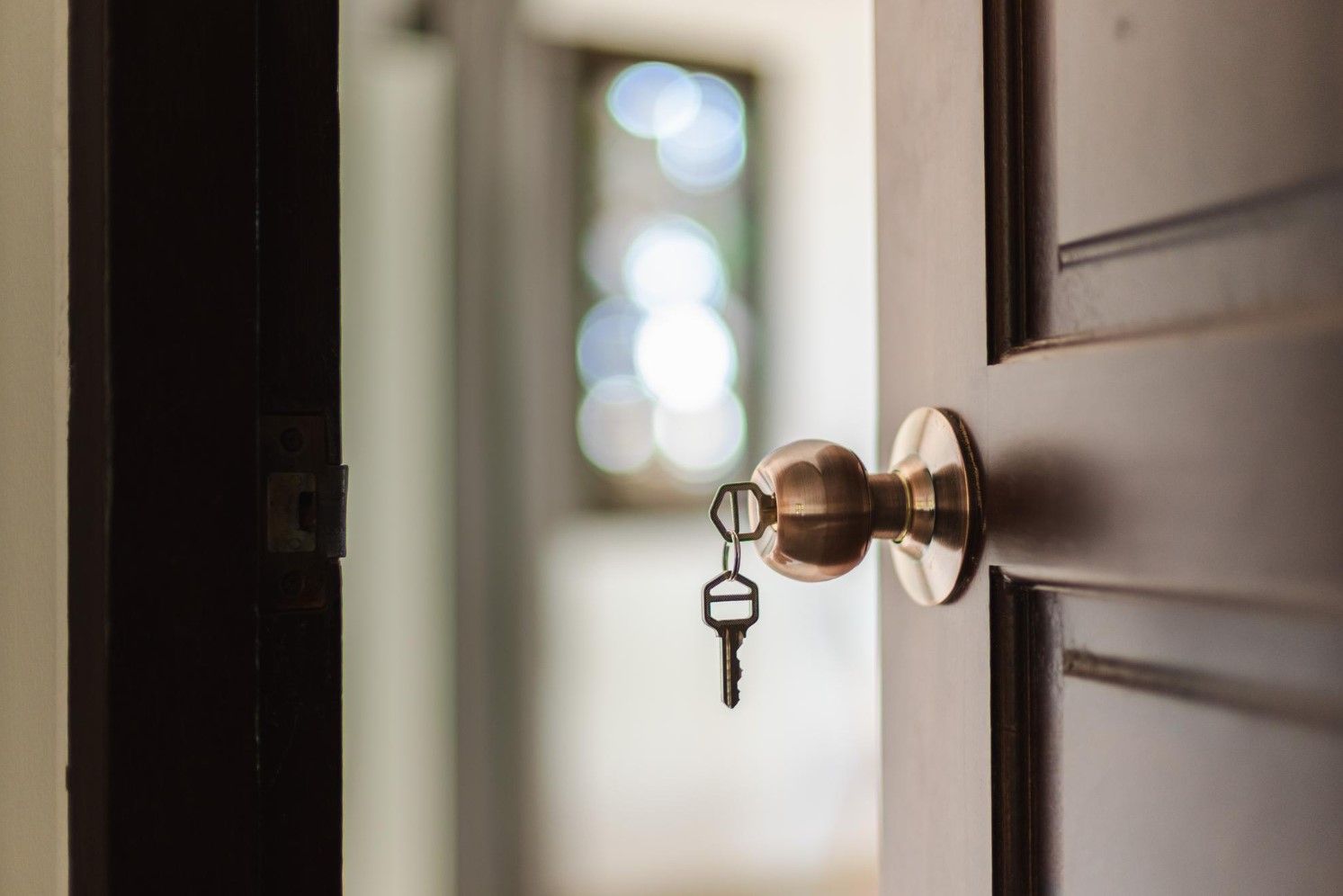
broken-lock-repair

For homeowners, the priority is restoring security quickly and preventing a repeat incident. A residential locksmith Indianapolis can:

  1. Rekey all exterior doors
  2. Replace damaged locks and cylinders
  3. Install stronger deadbolts
  4. Repair or replace door lock hardware
  5. Secure garage entry doors
  6. Inspect other potential entry points
  7. Recommend high-security lock options

A home security locksmith can also evaluate whether your current locks meet modern safety standards. After a break-in, upgrading weak hardware is one of the most effective steps you can take.

In need for Emergency Locksmith?

If your lock, door hardware, or keys were compromised after a break-in, Tip Top Locksmith can help secure your property with emergency locksmith services in Indianapolis.

Call Emergency Locksmith

Commercial Break-In: What Business Owners Should Check

Businesses face unique security concerns after a break-in. A commercial locksmith Indianapolis can help assess and restore security across all access points, including:

  • Front door locks
  • Back doors
  • Employee entrances
  • Office doors
  • Storage rooms
  • Access control systems
  • Master key systems
  • Panic bars and exit devices
  • Keys held by former employees or vendors

Commercial properties often rely on master key systems or electronic access control. If any part of that system is compromised, the entire access structure may need review. Lock replacement Indianapolis services can restore control and ensure only authorized individuals have access.

Should You Rekey All Locks After a Break-In?
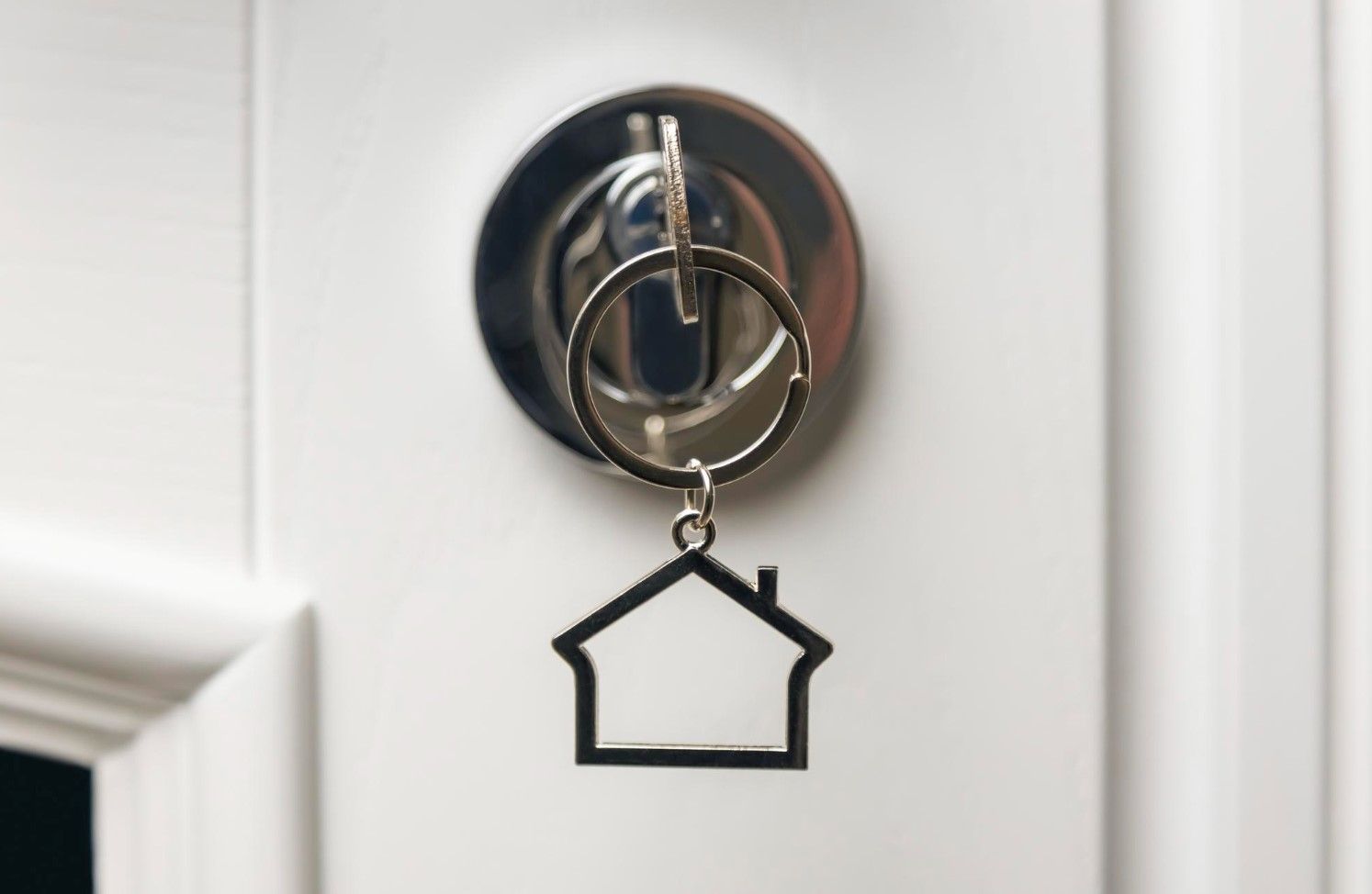
lock-change-indianapolis

Not always all of them, but often it is worth checking every exterior door and key access point.

  • If keys were stolen, rekey all locks that those keys could open.
  • If one lock was damaged, replace or repair that lock specifically.
  • If a master key system is in place, review the entire access structure.
  • If contractors, tenants, or employees had keys, assess whether those keys are still accounted for.

The goal is to restore full control over who can enter your property. A locksmith can help you decide which locks need attention and which can remain as they are.

Emergency Locksmith vs Regular Locksmith Appointment

Factor Emergency Locksmith Scheduled Locksmith Appointment
Best for Immediate security threats Non-urgent upgrades or maintenance
Response urgency Same-day or within hours Scheduled at your convenience
Typical situations Break-in, stolen keys, damaged locks Spare key creation, lock upgrades
Services needed Rekeying, lock replacement, repair Rekeying, installation, inspection
Property security level Compromised Intact
Examples Door will not lock after break-in Planning to upgrade to smart locks

An emergency locksmith is the right call when your property is unsecured. A scheduled appointment works well for planned improvements or non-urgent issues.

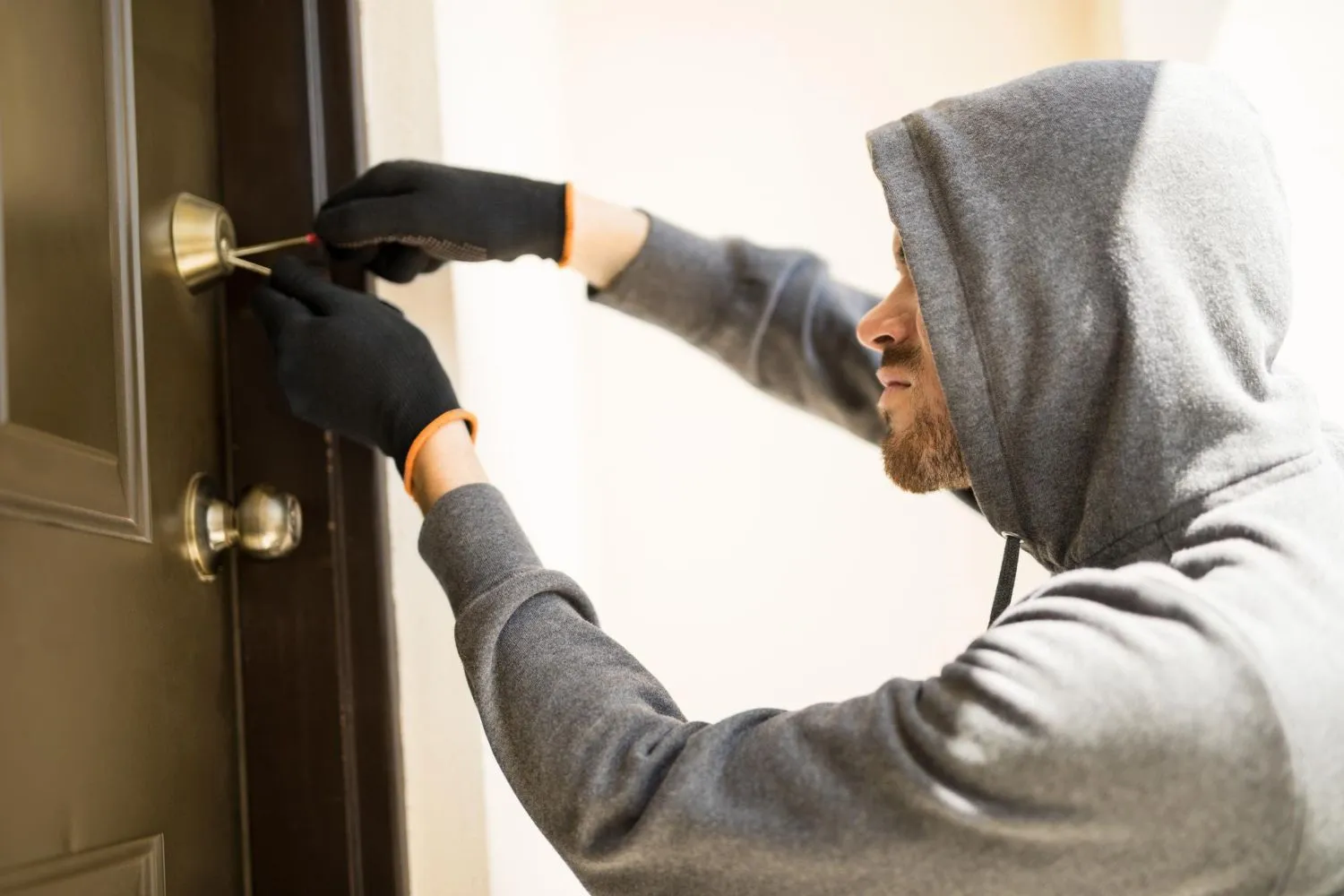
How to Improve Security After the Locksmith Visit

Once the immediate danger has passed, it is time to think about prevention. The steps below can help you strengthen your property and reduce the risk of another incident. You do not need to do everything at once, but each improvement adds a layer of protection.

Start with your exterior doors. Installing stronger deadbolts is one of the most effective upgrades you can make. A high-quality deadbolt with a solid strike plate makes forced entry significantly harder. Reinforcing strike plates with longer screws is a simple and inexpensive step that greatly increases resistance to kicking and prying.

Consider upgrading to smart locks with keypad or app access. These systems allow you to control entry without relying on physical keys, and you can change codes instantly if needed. They also provide a record of who entered and when, which can be useful for both homes and businesses.

Review your spare key habits. Limit the number of copies you make and keep track of who has them. If you have given keys to contractors, cleaners, or neighbors in the past, think about whether those keys are still accounted for.

Change access codes on keypads and smart systems after any security incident. Even if you are not sure whether the code was compromised, changing it is a quick and effective precaution.

Finally, keep your locksmith and emergency contacts saved in your phone. When something happens, you do not want to search for a number while standing outside a damaged door.

Security is not a one-time fix. Regular reviews and small upgrades can make a significant difference over time.

commercial-locksmith-indianapolis.jpg

Frequently Asked Questions

Call the police first if there was a burglary or attempted break-in. Once the scene is safe and documented, call an emergency locksmith to restore security. If the door will not lock, this should be treated as urgent.

After a break-in, the priority is clear: make sure everyone is safe, notify the authorities, and then restore the physical security of your property. An emergency locksmith in Indianapolis can help you rekey, repair, or replace damaged locks and hardware so you can feel secure again. Do not wait until the next morning. If your door will not lock, your keys are missing, or your lock is damaged, call a professional locksmith today and take back control of your property.

Need to secure your home or business after a break-in?

Contact Tip Top Locksmith for emergency locksmith help in Indianapolis.

Call Automotive Locksmith

From Our Blog

Helpful locksmith reads for planning, prevention, and emergencies.