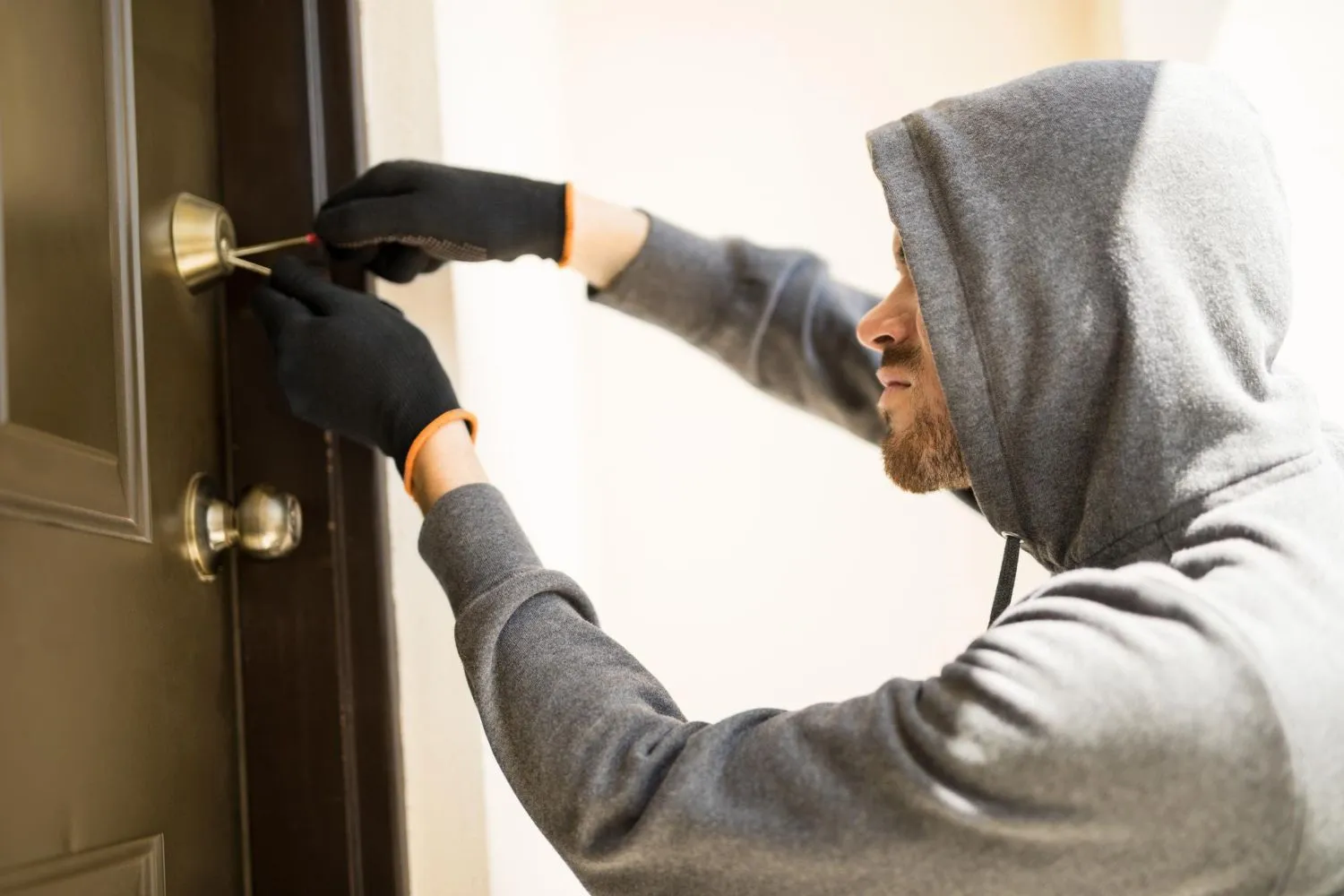
Common Warning Signs of Locksmith Scams
Knowing what to look for can save you from a costly mistake. Locksmith scams are common in many cities, and they often target people who are stressed, in a hurry, or unfamiliar with how the industry works. The tactics vary from one company to another, but the warning signs tend to repeat. In an emergency, it is easy to skip verification and call the first number you see. That is exactly what scammers rely on. Taking just a few extra seconds to check the signs below can protect you from inflated prices, poor workmanship, and unnecessary damage to your property.
- Prices advertised as "from $15" or similar unrealistic offers
- No clear business name or a name that sounds generic
- The operator cannot tell you the company name when you call
- No local presence or physical address
- No reviews, no website, or a website with stock photos only
- The price changes dramatically after the technician arrives
- Cash-only payment is demanded
- The locksmith arrives in an unmarked vehicle without identification
- The technician immediately suggests drilling the lock without trying standard methods first
These signs do not automatically mean fraud, but they are red flags worth taking seriously. One warning sign on its own may have a reasonable explanation. Several together almost never do. If something feels off during the call or when the technician arrives, trust that instinct. It is always better to end the conversation and call another company than to proceed with someone who cannot answer basic questions, will not explain the pricing, or pressures you into an immediate decision. A legitimate locksmith will never rush you or make you feel uncomfortable about asking questions.
Questions to Ask Before Hiring a Locksmith
| Question |
Why It Matters |
Good Sign |
Red Flag |
| What is your service call fee? |
Helps you understand the base cost before work begins |
Clear, upfront answer |
Vague or refuses to answer |
| Can you give an estimated price range? |
Prevents surprise charges later |
Provides a range based on your situation |
Says "we will see when we get there" |
| Are you local to Indianapolis? |
Local companies are more accountable |
Yes, with a local address |
No, or refuses to say |
| What information do you need from me? |
Shows professionalism and preparation |
Asks for vehicle or address details |
Asks for nothing, or too much personal info |
| Will you verify ownership? |
Protects you and shows legitimacy |
Yes, always |
No, or seems annoyed by the question |
| Can you explain the work before starting? |
Ensures transparency |
Explains clearly and answers questions |
Rushes or refuses to explain |
| Do you provide automotive, residential, or commercial service? |
Confirms they handle your specific need |
Clear answer matching your needs |
Unclear or claims to do everything |
How Emergency Locksmith Pricing Usually Works
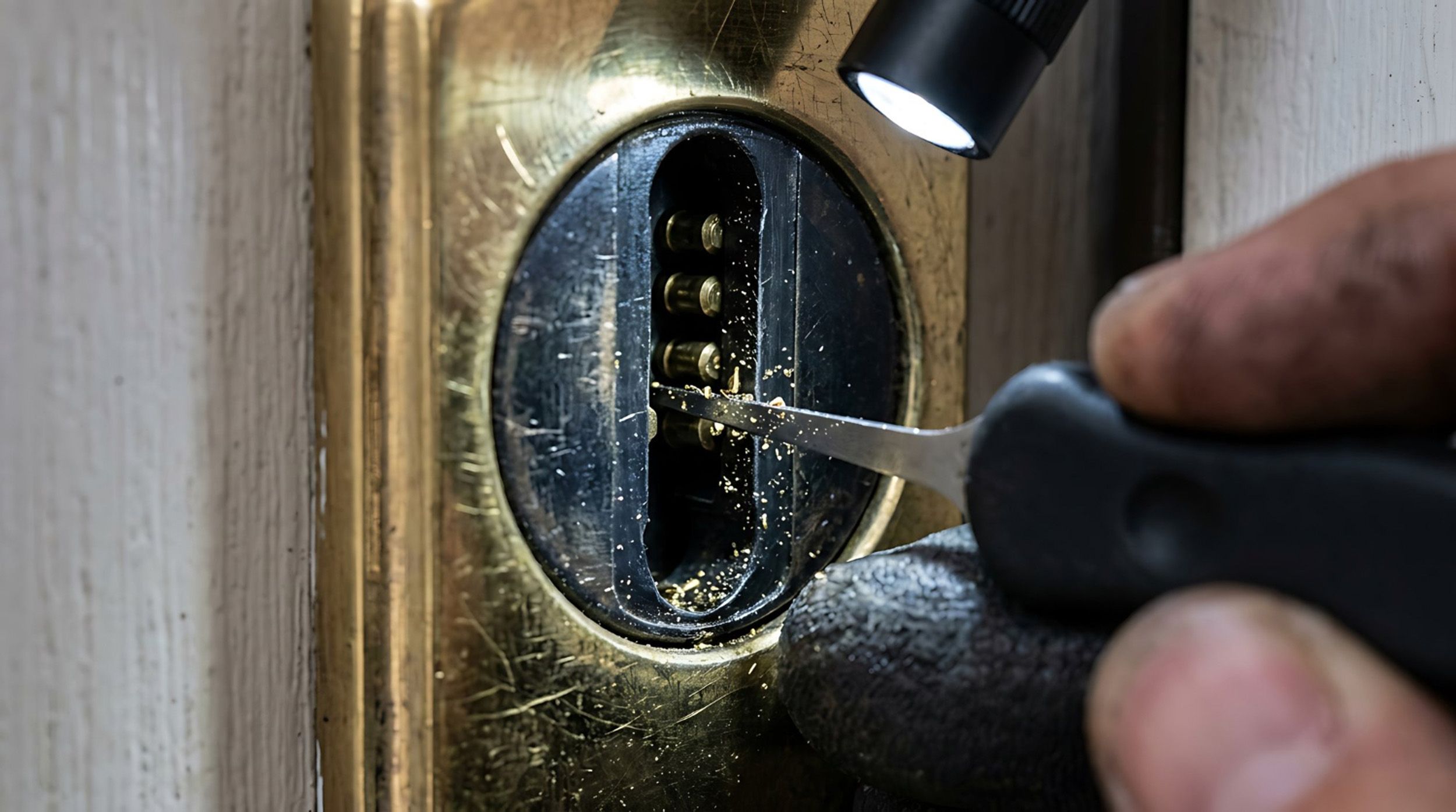
Locksmith pricing is not one-size-fits-all. Several factors determine the final cost, and understanding them helps you recognize a fair quote.
| Cost Factor |
Example |
Why It Changes the Price |
| Type of service |
Car lockout vs home lockout |
Different tools and techniques required |
| Lock type |
Standard deadbolt vs high-security lock |
Complexity affects time and labor |
| Vehicle make/model |
Honda Civic vs BMW |
Some vehicles require specialized tools |
| Time of day |
2 PM vs 2 AM |
After-hours calls often include additional fees |
| Parts required |
New cylinder or key fob |
Replacement parts add to the total cost |
| Location |
Downtown vs suburban area |
Distance and travel time affect mobile service |
| Damage level |
Simple lockout vs broken lock |
More damage means more time and skill |
A legitimate locksmith will explain these factors before starting work and give you an updated estimate if anything changes.
Cheap Locksmith vs Legit Locksmith: What's the Difference?
Cheap Locksmith
The lowest advertised price is rarely the final price. Cheap listings often lead to upsells, hidden fees, and vague quotes that grow once the technician arrives. Rushed work and low-quality tools can also scratch locks, damage cylinders, or leave doors that still will not close, costing you more than hiring a professional from the start.
Legit Locksmith
A legitimate locksmith sets clear expectations from the very first call. They explain pricing upfront, answer your questions without pressure, verify ownership before starting work, and use non-destructive methods whenever possible. You know what to expect, what it will cost, and how the job will be done before anyone touches your lock.
Professional Approach
A professional locksmith takes time to explain what is actually needed, whether that means drilling, lock replacement, or key programming, and why each option makes sense for your situation. They treat your property with care, use the right tools for the job, and complete the work without unnecessary damage whenever possible.