Deadbolt Upgrades: A Strong Basic Security Step
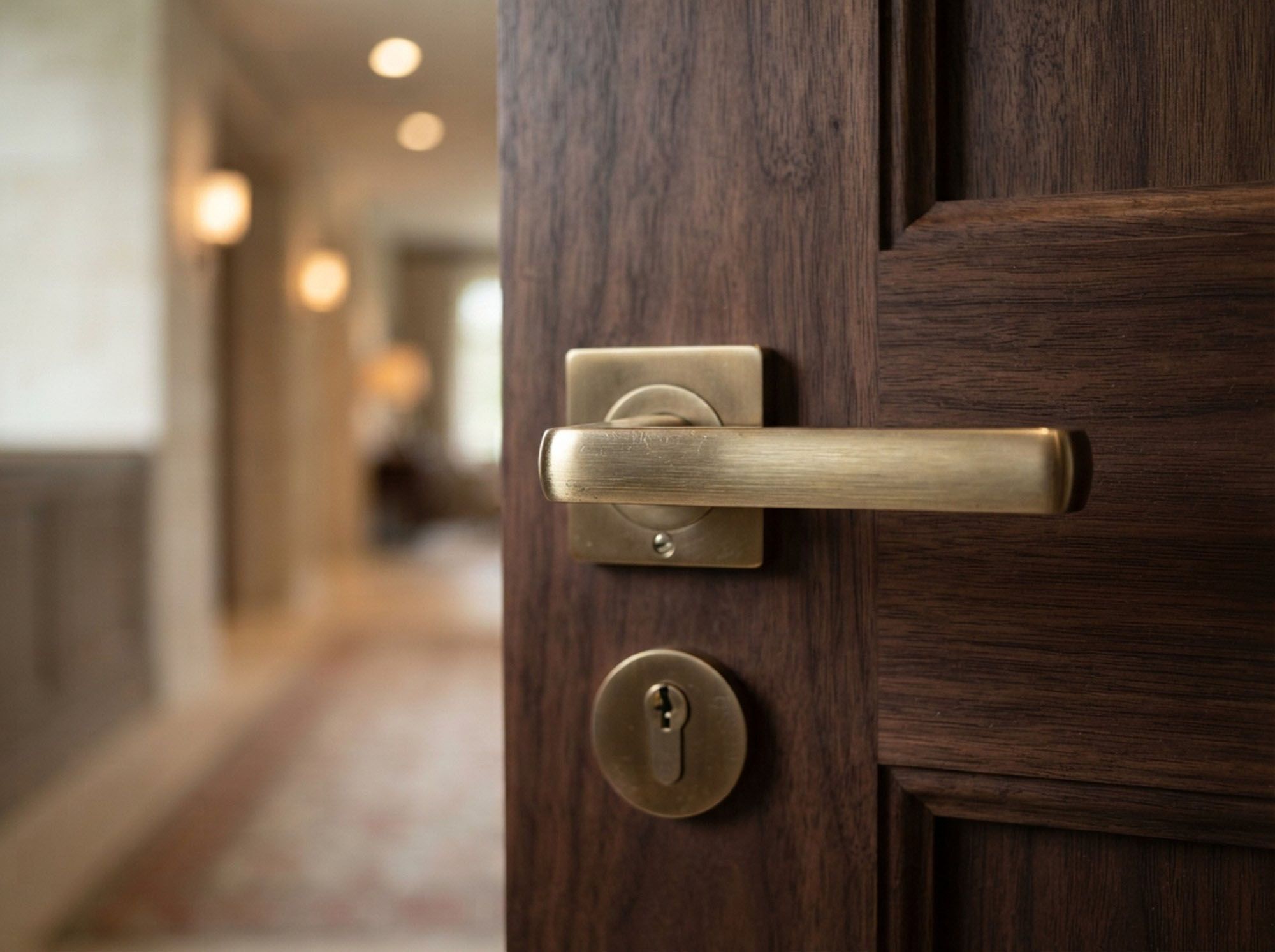
A deadbolt is one of the most common and effective residential lock upgrades available. Unlike a simple spring latch, a deadbolt extends a solid metal bolt into the door frame, making it much harder to force open. Deadbolts are ideal for front doors, back doors, and garage entry doors, and they provide a solid foundation for any home security plan.
Proper deadbolt installation is just as important as the lock itself. The strike plate, screw length, door alignment, and frame condition all affect how well the deadbolt performs. A high-quality deadbolt installed poorly offers far less protection than a basic deadbolt installed correctly. A residential locksmith in Indianapolis can assess your door and recommend the right deadbolt for your needs, including single-cylinder and double-cylinder options.
Smart Locks: Convenience and Keyless Access
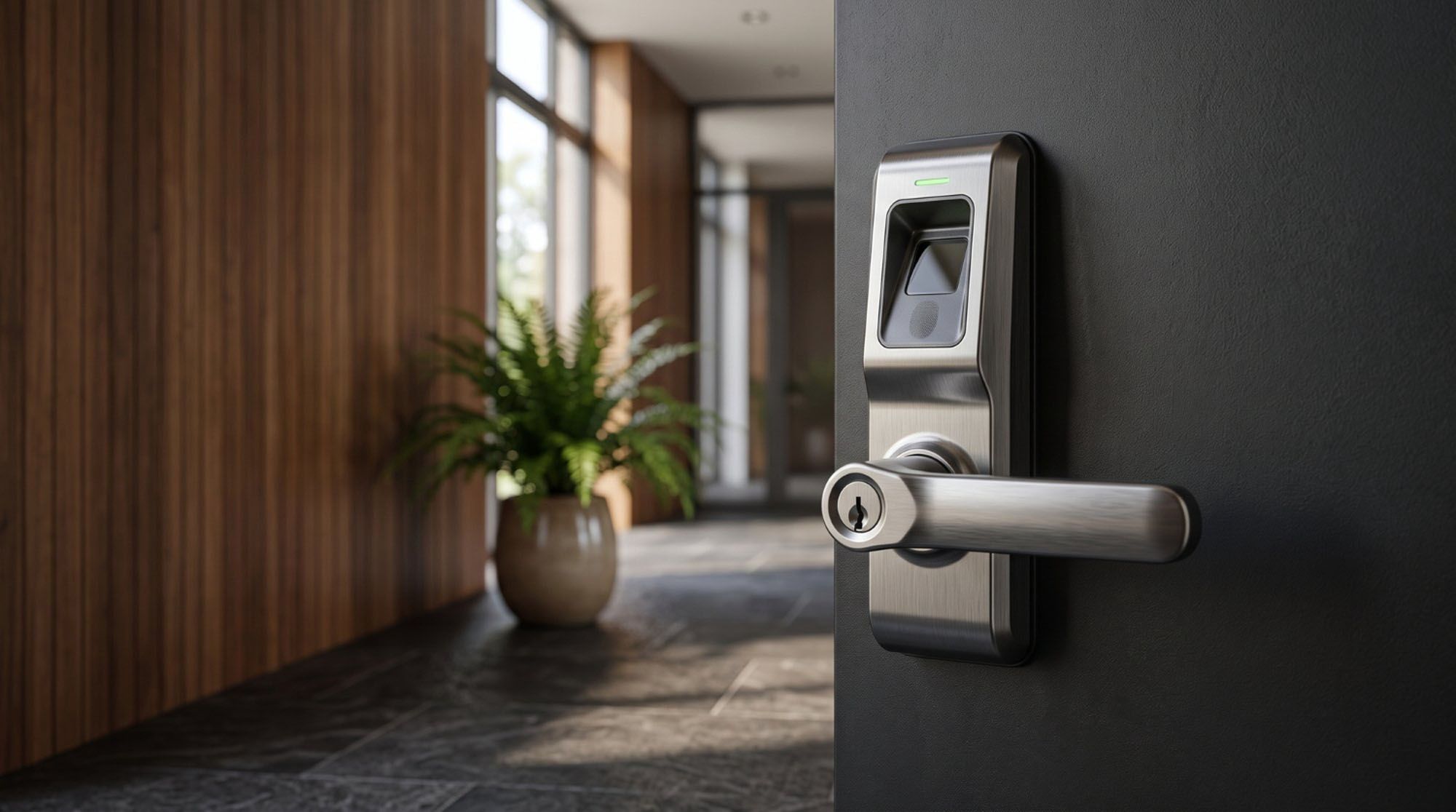
Smart locks have become increasingly popular for homeowners who want convenience without sacrificing security. These locks offer keypad access, app control, and the ability to create temporary access codes for family members, cleaners, guests, or rental tenants. Smart door locks can also integrate with home automation systems, allowing you to lock or unlock doors remotely.
However, not all smart locks are suitable for every door. Battery life, Wi-Fi connectivity, and compatibility with existing deadbolts vary by model. It is also important to understand that a smart lock does not fix a weak door or a poorly aligned frame. Even the best smart lock installation will underperform if the underlying door and frame are not in good condition. A professional can help you choose a smart lock that fits your door and your lifestyle.
High-Security Locks: When Standard Locks Are Not Enough
High-security locks are designed to resist common forced-entry techniques such as picking, drilling, and bumping. They often feature stronger cylinders, hardened steel components, and controlled key duplication, which means you cannot simply copy a key at a hardware store without authorization. These locks are a good choice for homeowners who want an extra layer of protection, especially after a break-in attempt or for rental properties and high-value homes.
High-security locks are not a guarantee against every threat, but they raise the bar significantly. Professional installation is strongly recommended because these locks require precise fitting to function properly. A home security locksmith can help you select the right high-security option and ensure it is installed correctly.
Deadbolts vs Smart Locks vs High-Security Locks
| Lock Upgrade |
Best For |
Main Benefits |
Possible Limitations |
Recommended For |
| Standard deadbolt upgrade |
Basic exterior door security |
Strong, simple, affordable |
Limited resistance to advanced techniques |
Front and back doors |
| Smart lock |
Convenience and keyless entry |
App control, temporary codes, remote access |
Battery dependence, compatibility issues |
Families, rentals, frequent guests |
| High-security lock |
Enhanced protection against forced entry |
Pick and drill resistance, controlled key duplication |
Higher cost, professional installation needed |
After break-in, high-value homes |
| Keypad lock |
Keyless entry without smart features |
Simple code access, no app required |
No remote control, limited features |
Garages, side doors, rentals |
| Rekeying existing locks |
Compromised keys, new home |
Affordable, fast, keeps existing hardware |
Does not improve hardware quality |
Moved-in homeowners, lost keys |
| Full lock replacement |
Old, damaged, or weak locks |
New hardware, better security, modern features |
Higher cost than rekeying |
Worn locks, after break-in, upgrades |
Rekeying vs Upgrading: Which One Do You Need?
Rekeying and upgrading serve different purposes. Rekeying changes which keys can open your lock, but it does not change the hardware itself. Upgrading means replacing the lock with a new one that offers better security, convenience, or both.
If your current locks are high-quality but your keys have been compromised, rekeying may be enough. If your locks are old, weak, or damaged, an upgrade or full replacement is the better choice. After moving into a new home, rekeying is often sufficient, but it is still worth having a locksmith inspect the existing hardware.
| Situation |
Rekeying May Be Enough |
Upgrade Recommended |
Why |
| Moved into new home |
Yes |
Sometimes |
Rekeying handles unknown keys; upgrade if locks are old |
| Lost keys |
Yes |
No |
Rekeying invalidates lost keys without new hardware |
| Old lock hardware |
No |
Yes |
Worn locks are unreliable and less secure |
| After break-in attempt |
No |
Yes |
Damaged or compromised hardware should be replaced |
| Want keyless entry |
No |
Yes |
Smart or keypad locks provide keyless access |
| Want better physical security |
No |
Yes |
High-security locks offer stronger resistance |
| Rental property access control |
Sometimes |
Yes |
Smart locks simplify tenant turnover |
Not sure which lock upgrade is right for your Indianapolis home?
Tip Top Locksmith can inspect your existing locks and recommend deadbolts, smart locks, or high-security options based on your needs.
Call Automotive Locksmith
What to Consider Before Choosing a New Lock
Before you choose a new lock, take a few factors into account. The door type, frame condition, and whether the door is exterior or interior all affect what will work best. Weather exposure matters for exterior doors, especially in Indianapolis where temperatures swing widely. Think about your key control needs, smart home compatibility, budget, and who needs regular access to your home. If you manage a rental property, you may want a lock that allows easy code changes between tenants. For owner-occupied homes, a balance of security and convenience usually works best.